Loading tone…
← Tone database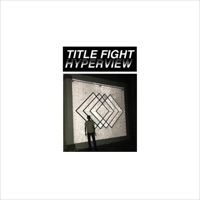
riff tone · guitar
Trace Me Onto You
Title Fight
Low confidence (35%)
Sources say little about this recording. Treat these settings as a genre-based starting point, not documented values.
Original gear
- Guitar
- —
- Pickups
- —
- Amp
- —
- Notes
- Research targets the Hyperview studio recording, recorded at Studio 4 with Will Yip. Exact track-specific guitar, amplifier and speaker models remain unverified. Rhoden explicitly described intentionally lowering gain during these sessions. The riff is best classified as predominantly clean and effects-heavy, not a high-gain or fuzz rhythm tone.
Alternative rock / dream pop / post-hardcore2010sstudiocleanConfidence 35%
Original amp settings
2
Gain
4.5
Bass
5
Mid
6
Treble
Guitar volume
—Guitar tone
—Effects and signal chain
- Chorus, unidentified unitmodulation85%rate: Slow, approximately 0.8 Hz; estimated starting pointdepth: 6/10; estimated starting pointmix: 35%; estimated starting pointCreate a broad, wavering clean-guitar texture. · Main riff and rhythm texture; NPR specifically identifies abundant chorus on this song.
- Reverb, unidentified sourcereverb80%decay: 2–3 seconds; estimated starting pointmix: 25%; estimated starting pointAdd lingering ambience around the ringing chords. · Main rhythm texture; NPR explicitly identifies abundant reverb on this song.
Tone character
Predominantly clean, chorus-heavy and reverberant.Low-gain foundation consistent with Rhoden's account of the sessions.
Difficulty
★★★★★★★★★★2 / 5Easy
- Estimated: consistent chord attack
- Estimated: controlling ringing strings under prominent ambience
Provisional playing-difficulty estimate, not a documented assessment.
Sources
- titlefightmusic.bandcamp.com · hyperview
- stereogum.com · interviews
- wvxu.org · first listen title fight hyperview
- tonemirror.so · title fight trace me onto you
- songparts.com · trace me onto you
- chords-and-tabs.net · title fight trace me onto you
- anti.com · trace me onto you
- tonemirror.so · title fight hyperview
- No reliable track-specific source establishes the original guitar, amp, cabinet, pickup selection or knob positions.
- All supplied numeric settings are approximation starting points, not documented recording settings; -1 denotes unknown controls.
- Chorus and reverb are supported, but their hardware, routing and possible mixing-stage application remain unidentified.
- Era-specific live rigs were not treated as recording evidence; clean classification permits slight grit rather than asserting a perfectly undistorted signal.